
Meet the duo bringing salsa, political education, and sweaty catharsis to this side of the Queensboro.

By Briana Rodriguez
Come expecting a banging salsa party, and you might find yourself talking about the disappearance of the very spaces where that music flourished. You might hear a plena band straight from Puerto Rico alongside a discussion of the luxury developments threatening communities on the island. You may even leave with a sketch you drew yourself.
This is Cultura Pa’ Lante, an NYC organization bringing music, art, and political education into the same room. Founded by lawyer-activist Maricelly Malavé and painter-musician Fabio Puentes, its events give people a place to reckon with the issues affecting their communities, meet others doing something about them—all while finding some release on a dance floor.
“The party is a front,” Malavé jokes.
But front or not, this party undoubtedly fills a need. You may have noticed there’s been a steady dwindling of Latino-centric, salsa-centric gathering spaces in Queens. (RIP Don Coqui, La Boom, and so many others). While many of their musician and salsero friends lived in Queens, Malavé and Puentes noticed they were more likely than not hiking it to another borough for live salsa music. Admission would often exceed $40 and the crowd was rarely interested in dancing.
So the duo decided to “throw a party and see what happens.” And it would be an accessible $10–15 cover. What began in 2024 as a small party would become a consistent gathering place for salsa lovers seeking political connection and a good time.
Puentes’ experience as a musician and arts educator, paired with Malavé’s organizing work at the Sixth Street Community Center in Loisaida, made for a varied programming slate and a varied list of people to call on. An event might feature a poet speaking on working-class people, a conversation about long-gone salsa venues, or a rendition of Ismael Rivera’s “El Nazareno” from Fabio y Su Tremendo Lío, Puentes’ own band.
“What we wanted to do was really be the bridge of that connection—music, art, screenings, and bringing people [together],” says Puentes. Part of the appeal of creating an event like this one was also cultivating the possibility of unexpected encounters for attendees: “That surprise of, ‘Oh, who am I going to meet now?’ ”
The couple saw firsthand how those connections can turn a spin on the dance floor into something more far-reaching. At one event they distributed pamphlets in English and Spanish explaining how to protect yourself should you be approached by an ICE agent. Puentes remembers how it sparked conversation. “When people are hearing the testimonies—‘Hey, [ICE] took my uncle. Hey, they took my brother. They took my family’—they empathize,” he says. “And they start asking, ‘How do I get more information?’ ”
For Malavé, facilitating a space for these types of interactions was non-negotiable: “There was just no way for me and Fabio to have this kind of an event and ignore what was happening literally outside the doors, where ICE was taking people every day.”
They’ve helped organize fundraisers, provided resources, and facilitated conversations from activists and artists hailing from over a dozen different countries across Latin America—all under the banner of a “salsa party.”
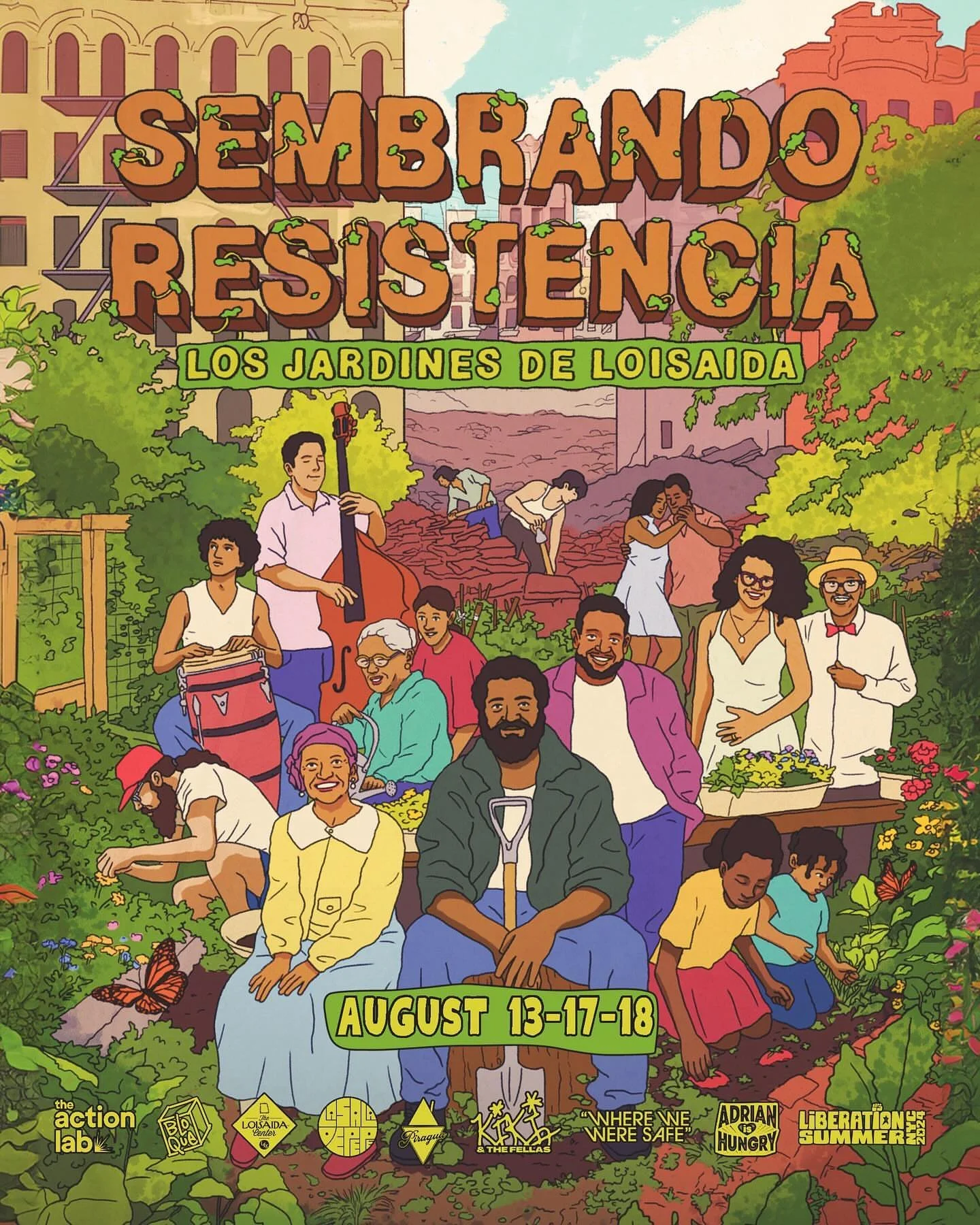
“There was just no way for [us] to have this kind of an event and ignore what was happening literally outside the doors, where ICE was taking people every day.” —Maricelly Malavé, Cultura Pa’lante Co-Director
Beginnings
It is, of course, fitting that Cultura Pa’ Lante’s founders met at a party. A mutual friend’s cancer had gone into remission and Puentes hosted a celebration marking the anniversary. Malavé was in the home stretch of law school and had just taken the bar when the two first crossed paths. “We met and we immediately, immediately became, like, husband and wife. I would not recommend that,” she jokes. “[My political awareness] didn’t awaken until I was here,” says Puentes. “That was when I really started to connect the dots.”
Puentes and Malavé both moved to Queens as children, from Chile and Puerto Rico, respectively. Like many diaspora kids, they learned to weave what they brought with them from their birthplaces into the lives they were building in New York City. Part of that journey was coming to understand the politics that helped shape their families.
His grandparents fled Chile after suffering imprisonment and torture under the Pinochet dictatorship, arriving in New York in the ’70s. But talking about that history wasn’t always met with empathy; sometimes it came with accusations of picking at old wounds or sympathizing with communists.
But at dinners his grandfather hosted when Puentes was “un chico,” there was space for those conversations and memories. Friends and family would gather, eat, play music, and talk about home. In many ways, Cultura Pa’ Lante mirrors those moments: people carrying their love of music and their personal, if painful, experiences into a shared space.
“I feel like being over here gave me the platform to voice out all those concerns and all those things—my story,” says Puentes. “And that story basically pushed [me] to do a cultural organization that defends social justice.”
For Malavé, who moved from Puerto Rico at age 2, living in New York accentuated the ways emigrating ties you to places you might not know all that much about.
“Puerto Rico’s status is not really taught at all,” she says. “I feel like there’s a collective kind of diaspora shame around...not knowing enough, which is totally a colonial strategy to make people feel disconnected from their roots and not worthy. It’s really an erasure of their own culture by the colonial system.”
While organizing, particularly in Queens, Malavé heard similar stories of disenfranchisement regardless of whether the person came from El Salvador, México, or the Dominican Republic. While their histories were distinct, there was a throughline that had the potential to bring a sense of solidarity.
“Colonial violence is very cyclical,” says Malavé.
CPL provides spaces for those stories to go, and energy to help process both lived and newly learned experiences.
“We need to own it, because it’s part of that communal wound that we have, that we’re away from our people.... These are social injustices that have been wielded against our people,” Malavé says. “And so if you learn all these things—the political education part—you will be filled with this energy, like almost rage. And then if you can sort of process that with art, the drawing sessions, the salsa dancing, that is very cathartic.”
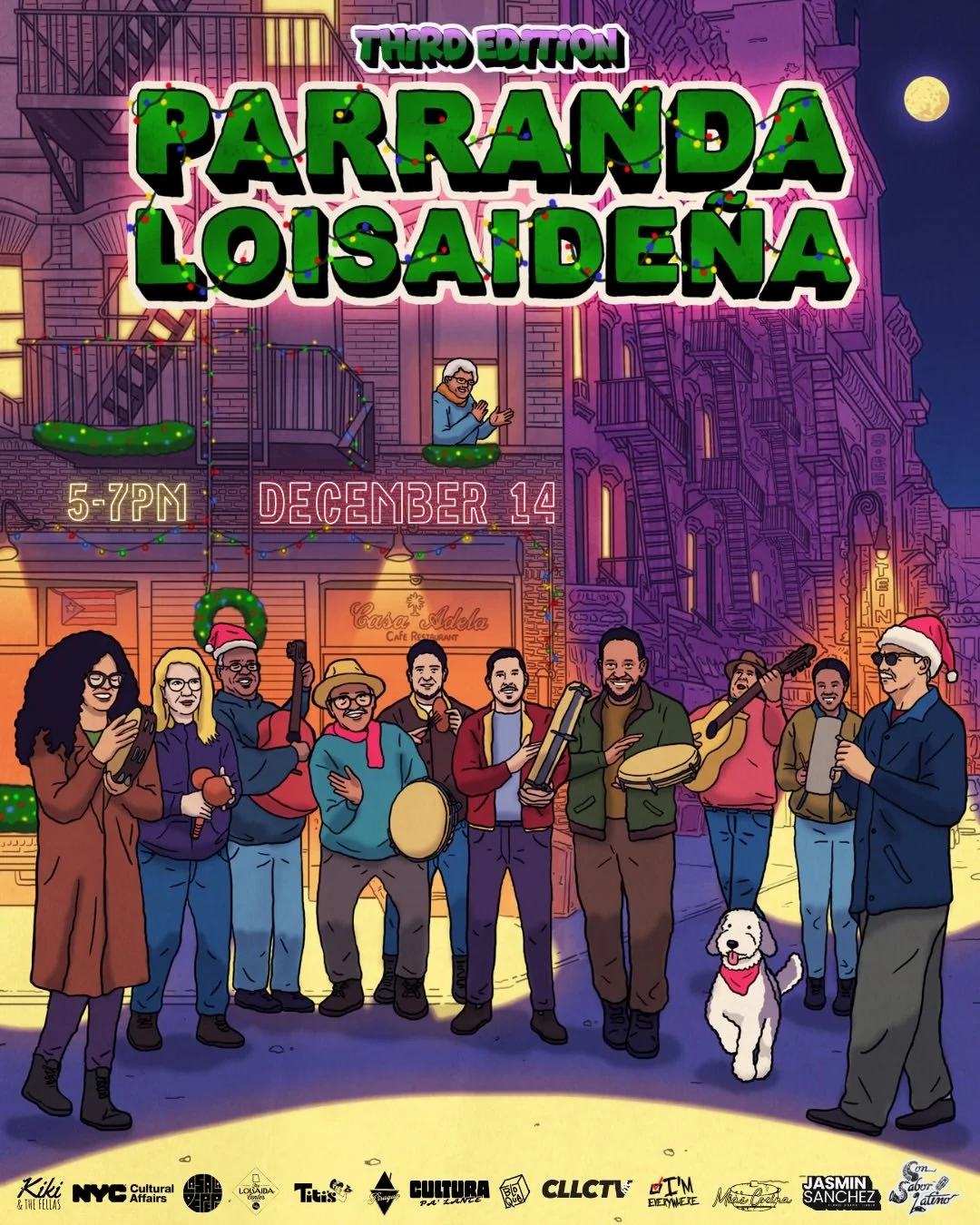
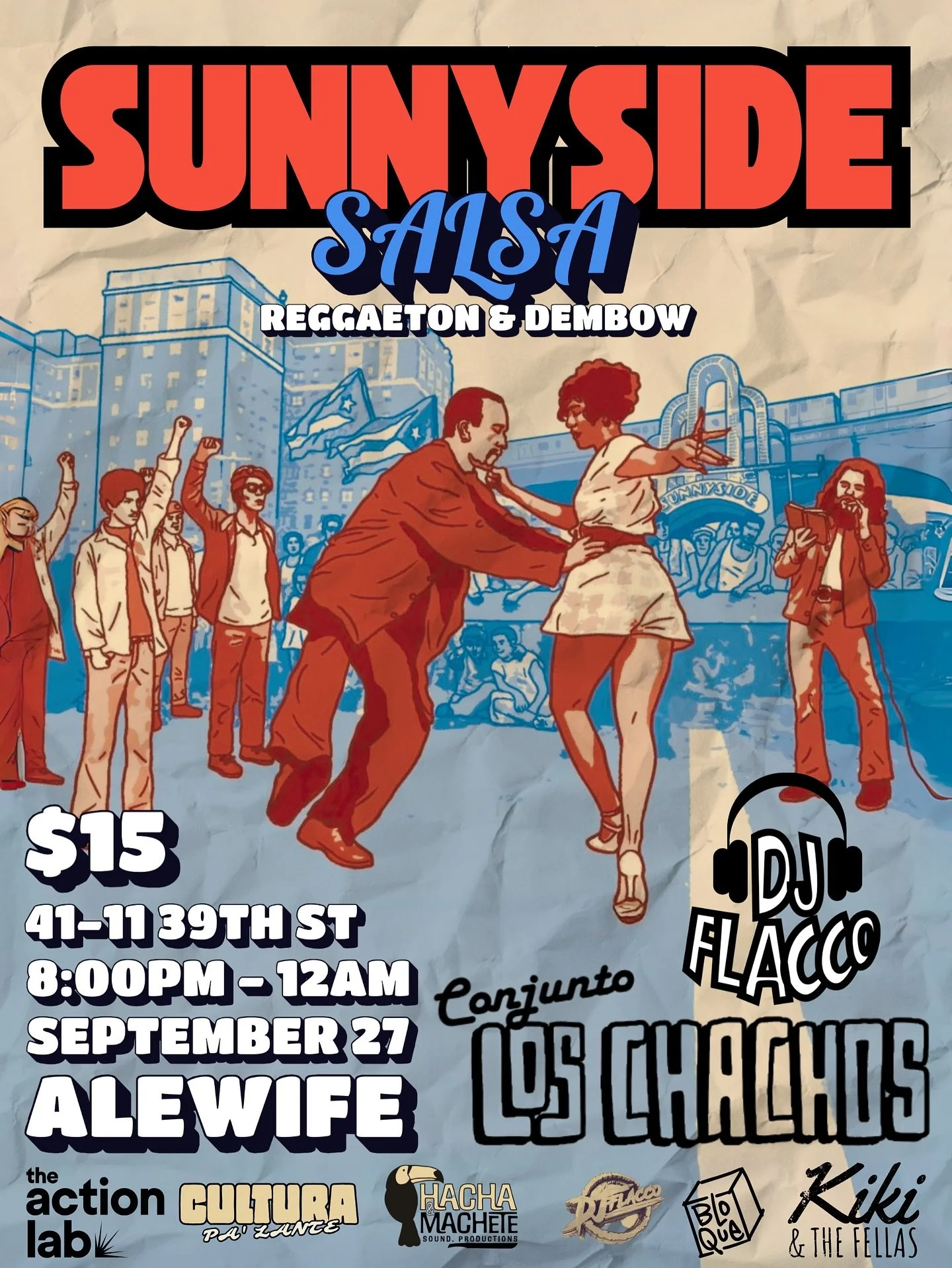
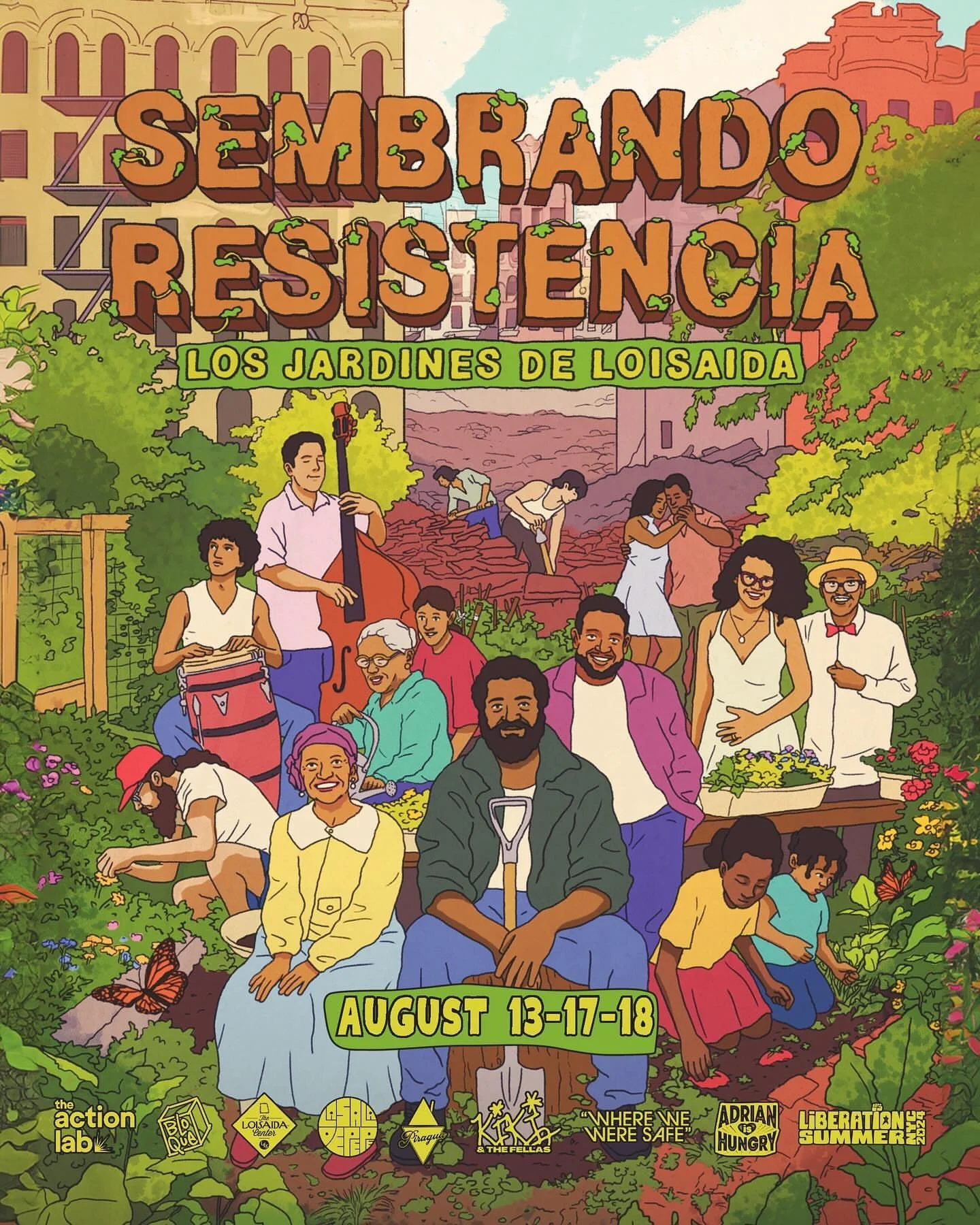
“What we wanted to do was really be the bridge of that connection—music, art, screenings, and bringing people [together].” —Fabio Puentes, Cultura Pa’lante Co-Director
The ‘Chile-Rican’ Movement
While they continue to enrich the tradition, Malavé and Puentes are not the first Chilean–Puerto Rican team-up for social justice and solidarity.
Malavé points to the relationship between Chilean exiles and the New York chapter of the civil rights group the Young Lords in the 1970s. Their anti-imperialist work included loud support for the democratically elected socialist president, Salvador Allende; condemnation and protests against the military coup; and of course, leveraging the revolutionary power of music.
“Fabio and I call it the ‘Chile-Rican’ movement,” says Malavé. “When they came to the Bronx, the Young Lords loved [the Chileans]....They needed experienced mentors, too.”
That long-standing history is in part what inspired Cultura’s first event, Salsa y Resistencia, at El Maestro, a boxing gym and community space in the South Bronx with deep ties to the Young Lords. The event celebrated the shared political resistance histories between Chileans and Boricuas. Its success encouraged Puentes and Malavé to find a more regular home for the project.
They looked to Queens and started throwing monthly events at Alewife in Sunnyside. Salsactivism centered political engagement; Sketching Salsa brought together live music, dance, education, and drawing, giving attendees another medium with which to engage with the music as both culture and resistance.
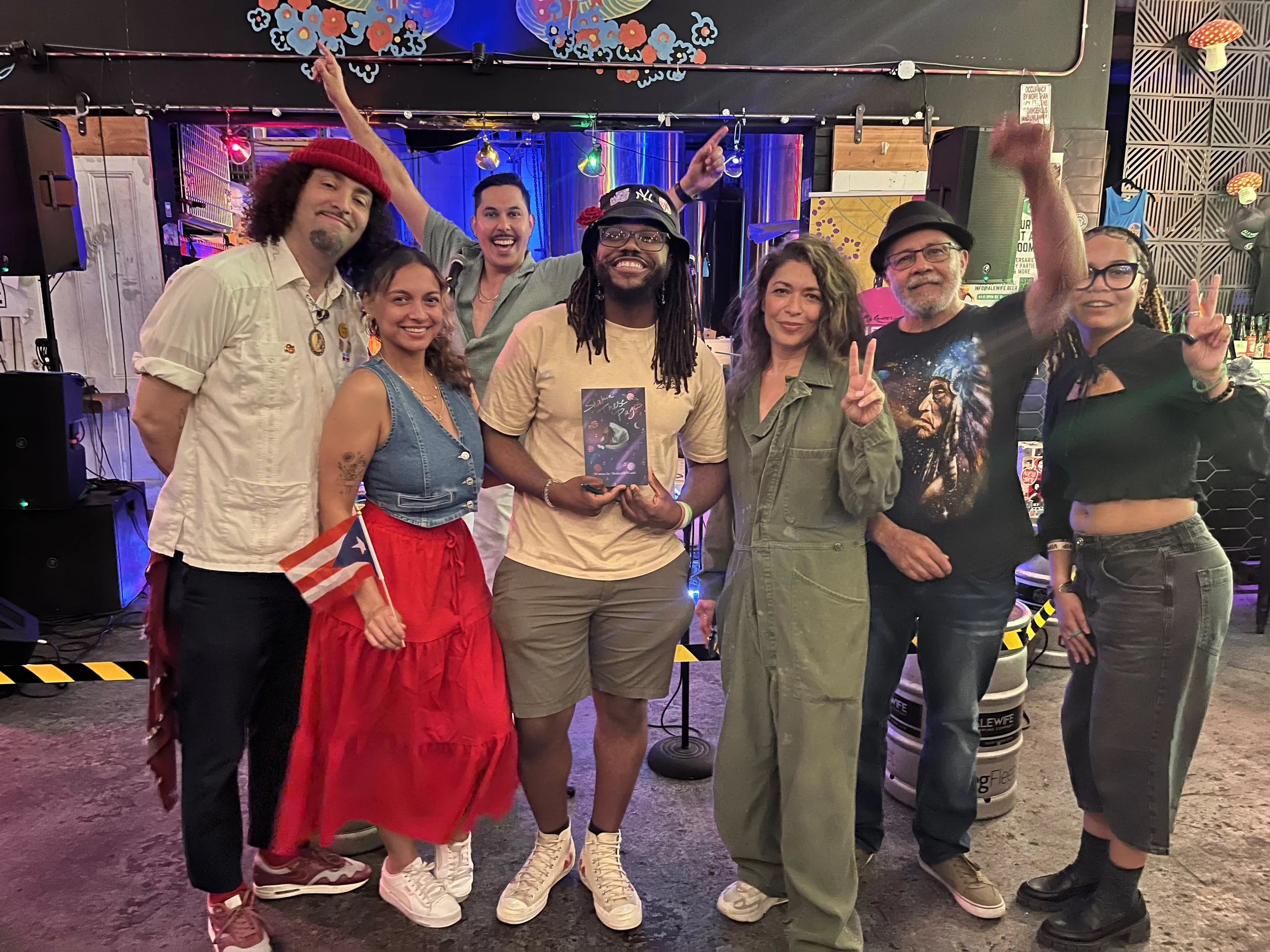
When Alewife closed its doors at the end of 2025, CPL lost yet another gathering space. The closure was more proof of the challenge that spurred the creation of CPL in the first place: we continue to lose spaces to come together. Rather than shutter along with Alewife, Puentes and Malavé looked to their own community to expand their events across the city.
They’ve worked with the Sixth Street Community Center, serving the historically Puerto Rican neighborhood of Loisaida in the Lower East Side. They’ve held events in Los Sures, another historically Boricua and Dominican enclave in Williamsburg, as well as in Cobble Hill in Brooklyn, where Puentes teaches at Pratt. They’ve also worked with Flushing Town Hall and East Harlem’s El Barrio’s Artspace P.S. 109. Lately, they’ve been hosting Salactivism programming at Friends and Lovers in Crown Heights, Nublu in Alphabet City, and SingleCut Beersmiths in Astoria.
Their locations are deeply embedded in community and artistic enrichment. More pointedly, the locations support CPL’s aim of having people see themselves as participants across multiple cultural hubs.
For Puentes, that activation is part of the work as well: introducing people to the organizers and resources that can help turn them into leaders and change-makers themselves.
“It’s like pushing them: ‘Hey, you could do this too.’ And always with the mindset of working together.”
As CPL continues to grow across New York and beyond, Puentes and Malavé aim to keep the sentiment that started it all at the core: “We all suffer together, but we also celebrate together, and there’s a safe space.”
Briana Rodriguez is a writer, editor, and Queens native. She spent more than a decade at Backstage, where she started as an intern and became the magazine’s first Latina editor-in-chief. These days, she writes, edits, and interviews people about how and why they make things.
She grew up taking nature walks in Kissena Park and performing in dance recitals at Colden Center in Flushing. She writes poems and still dances whenever she gets the chance, usually salsa.